- To achieve the highest possible standards of teaching and research in biomedical and allied subjects by providing a high quality of education that will allow graduates to be responsible, active, productive, and engaged members of society on local, national and international levels.
- Prepare students as successful professionals for employment in a vast array of analytical laboratories, including Biomedical, Biochemistry, Clinical Chemistry, Microbiology, Immunology, Pathology, Pharmaceutical, Molecular Diagnostic, Biotechnology, Quality Control-Quality Assurance and Government and private sectors.
- Develop the students as effective researchers on fundamental and applied problems to involve in interdisciplinary research/industries and promote the development of Scientific and Industrial Revolutions.
- Achieve personal academics using modern educational technology at the secondary and tertiary level, independent thought, collegial exchange of ideas, and high ethical standards.
- Develop the skills to find gainful employment in academics, industry, government and private organizations.
The Department of Applied Laboratory Sciences endeavors to be a nationally recognized model for generating graduates in Laboratory Technology to compete in and contribute to the needs of the time-demanding and technology-centered world of the medical laboratory science with wisdom and responsibility.
All students obtaining a certified degree in Laboratory Sciences should be well trained in basic concepts and laboratory practices. However, to be responsible, effective and productive scientists/graduates, students need to master various skills beyond the course content alone. The objectives or learning targets of the curriculum are categorized in the following dimensions:
- Knowledge and Understanding
- Skills and Processes, and
- Values and Attitudes
At the end of the Program the students will be able to:
- Equip themselves with adequate knowledge to understand the purpose and basic of laboratory procedures and their role in the diagnosis and management of diseases, and to understand basic concepts of behavioral sciences that are relevant to establishing good interpersonal relationships and empathy.
- Provide equal knowledge and experience in clinical biochemistry, pathology, hematology, microbiology, immunology, molecular biology, histology through the undertaking of enough laboratory work.
- Understand normal functions of the human body and interpret normal functions with a view to differentiate them from abnormal functions.
- Explain basic mechanism of diseases; etiology, pathogenesis, morphological changes and correlate between clinical findings and pathological changes.
- Understand the theoretical basis of the operation of laboratory equipment and maintaining good quality and standard: records, reports and interpret results of the tests using computers and other technologies.
- Perform routine and specialized laboratory tests using modern equipment and maintaining proper quality and standard; record, report and interpret results of the tests using computers and other technology.
- Ensure quality control and quality assurance in laboratory practices as well as laboratory safety measures.
- Develop attitude for continuous self-learning and assessment throughout the whole of practicing life.
The Department of Applied Laboratory Sciences was established in 2012 and the program was established in 2013. The Department is involved in both research and academic activities. In addition to Laboratory Technology, multi-disciplinary knowledge like Physics, History of emergence of independent Bangladesh, Chemistry, Biology, Biochemistry, Pathology, Analytical Techniques and Instrumentations, other Laboratory sciences based courses, Molecular Biology, Quality Control, Transfusion Medicine, Laboratory Biosafety, Biostatistics and Computer Science are also provided in this Department. The Department is conducting a 4 years BSc (Honors) program. Majors will have the opportunity through extensive coursework, Laboratories (hospital attachment), Seminars and Several projects to develop the knowledge and skills necessary to enter the workforce or to go on with further graduate education leading to BSc in Laboratory Technology or MS in Medical Laboratory Science or related discipline at home and abroad.
Through acquiring knowledge and the opportunities at the Dept. of Applied Laboratory Sciences graduates of the university will be:
- subject specialists, with in‐depth knowledge, understanding, research and other skills associated with their discipline;
- innovative and creative in their approach to positive change;
- socially intelligent and proactively inclusive, able to effectively navigate complex relationships with others from any background or culture;
- digitally literate and responsible for their own behavior, their future and wellbeing of themselves.

Yasin Arafat
Sr Lecturer

Profile >
At a glance
Mission
- To achieve the highest possible standards of teaching and research in biomedical and allied subjects by providing a high quality of education that will allow graduates to be responsible, active, productive, and engaged members of society on local, national and international levels.
- Prepare students as successful professionals for employment in a vast array of analytical laboratories, including Biomedical, Biochemistry, Clinical Chemistry, Microbiology, Immunology, Pathology, Pharmaceutical, Molecular Diagnostic, Biotechnology, Quality Control-Quality Assurance and Government and private sectors.
- Develop the students as effective researchers on fundamental and applied problems to involve in interdisciplinary research/industries and promote the development of Scientific and Industrial Revolutions.
- Achieve personal academics using modern educational technology at the secondary and tertiary level, independent thought, collegial exchange of ideas, and high ethical standards.
- Develop the skills to find gainful employment in academics, industry, government and private organizations.
Vission
The Department of Applied Laboratory Sciences endeavors to be a nationally recognized model for generating graduates in Laboratory Technology to compete in and contribute to the needs of the time-demanding and technology-centered world of the medical laboratory science with wisdom and responsibility.
Objectives
All students obtaining a certified degree in Laboratory Sciences should be well trained in basic concepts and laboratory practices. However, to be responsible, effective and productive scientists/graduates, students need to master various skills beyond the course content alone. The objectives or learning targets of the curriculum are categorized in the following dimensions:
- Knowledge and Understanding
- Skills and Processes, and
- Values and Attitudes
At the end of the Program the students will be able to:
- Equip themselves with adequate knowledge to understand the purpose and basic of laboratory procedures and their role in the diagnosis and management of diseases, and to understand basic concepts of behavioral sciences that are relevant to establishing good interpersonal relationships and empathy.
- Provide equal knowledge and experience in clinical biochemistry, pathology, hematology, microbiology, immunology, molecular biology, histology through the undertaking of enough laboratory work.
- Understand normal functions of the human body and interpret normal functions with a view to differentiate them from abnormal functions.
- Explain basic mechanism of diseases; etiology, pathogenesis, morphological changes and correlate between clinical findings and pathological changes.
- Understand the theoretical basis of the operation of laboratory equipment and maintaining good quality and standard: records, reports and interpret results of the tests using computers and other technologies.
- Perform routine and specialized laboratory tests using modern equipment and maintaining proper quality and standard; record, report and interpret results of the tests using computers and other technology.
- Ensure quality control and quality assurance in laboratory practices as well as laboratory safety measures.
- Develop attitude for continuous self-learning and assessment throughout the whole of practicing life.
History
The Department of Applied Laboratory Sciences was established in 2012 and the program was established in 2013. The Department is involved in both research and academic activities. In addition to Laboratory Technology, multi-disciplinary knowledge like Physics, History of emergence of independent Bangladesh, Chemistry, Biology, Biochemistry, Pathology, Analytical Techniques and Instrumentations, other Laboratory sciences based courses, Molecular Biology, Quality Control, Transfusion Medicine, Laboratory Biosafety, Biostatistics and Computer Science are also provided in this Department. The Department is conducting a 4 years BSc (Honors) program. Majors will have the opportunity through extensive coursework, Laboratories (hospital attachment), Seminars and Several projects to develop the knowledge and skills necessary to enter the workforce or to go on with further graduate education leading to BSc in Laboratory Technology or MS in Medical Laboratory Science or related discipline at home and abroad.
Why Study
Through acquiring knowledge and the opportunities at the Dept. of Applied Laboratory Sciences graduates of the university will be:
- subject specialists, with in‐depth knowledge, understanding, research and other skills associated with their discipline;
- innovative and creative in their approach to positive change;
- socially intelligent and proactively inclusive, able to effectively navigate complex relationships with others from any background or culture;
- digitally literate and responsible for their own behavior, their future and wellbeing of themselves.
Programs
Faculty Members

Shahnaj Begum
Department of Applied Laboratory Sciences
Assistant Professor & Head
shahnajbegum@buhs.ac.bd

Dr. Amrita Bhowmik
Department of Applied Laboratory Sciences
Assistant Professor
amritabhwmk@buhs.ac.bd

Yasin Arafat
Department of Applied Laboratory Sciences
Sr. Lecturer
yasinarafat@buhs.ac.bd
News & Events

Dua and Iftar Mahfil
- 26 February 2026
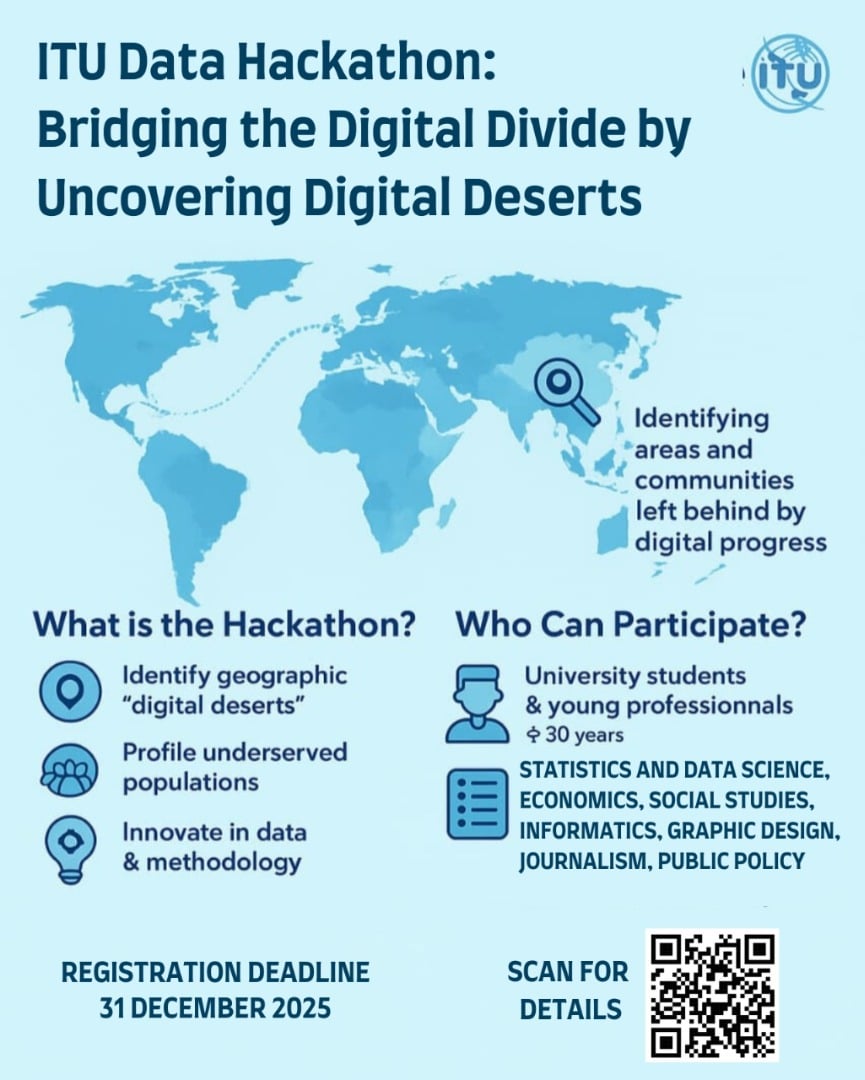
Data Hackathon-এ অংশগ্রহণ প্রসঙ্গে
- 17 December 2025
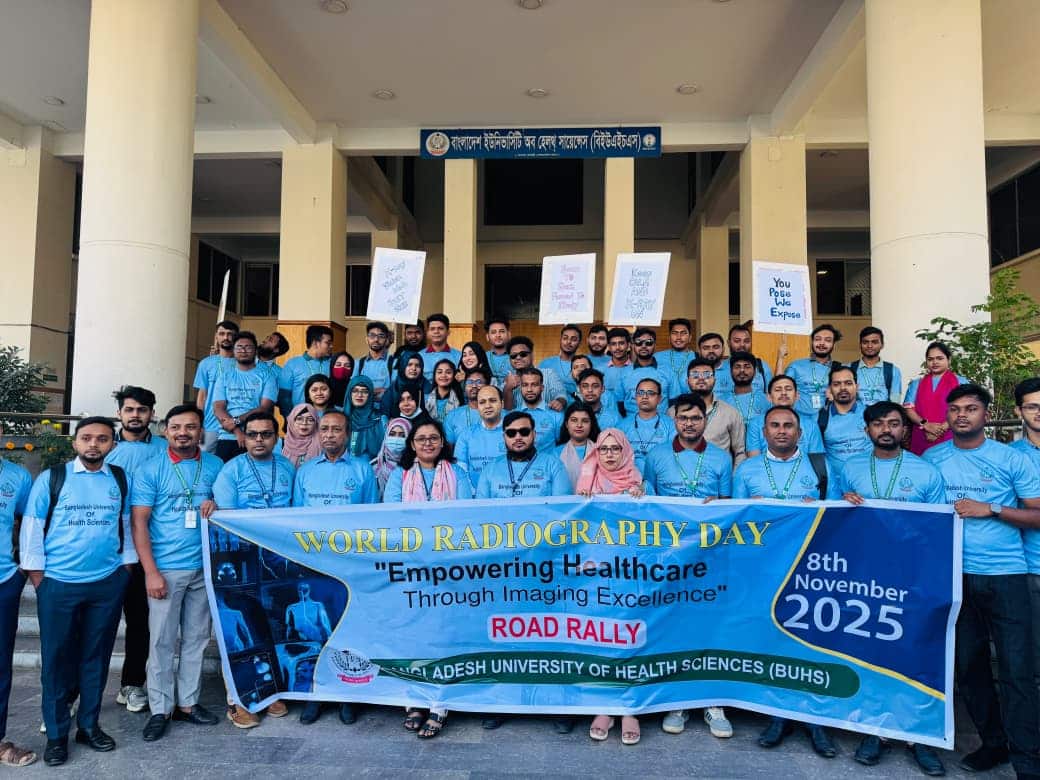
BUHS celebrated World Radiography Day
- 07 December 2025
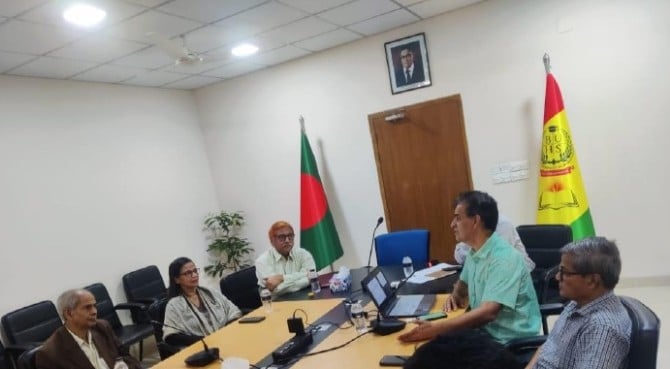
Seminar held in BUHS
- 17 November 2025
বিইউএইসএস-এ “অ্যাডভান্সিং ডিজিটাল মেন্টাল
- 17 November 2025
