

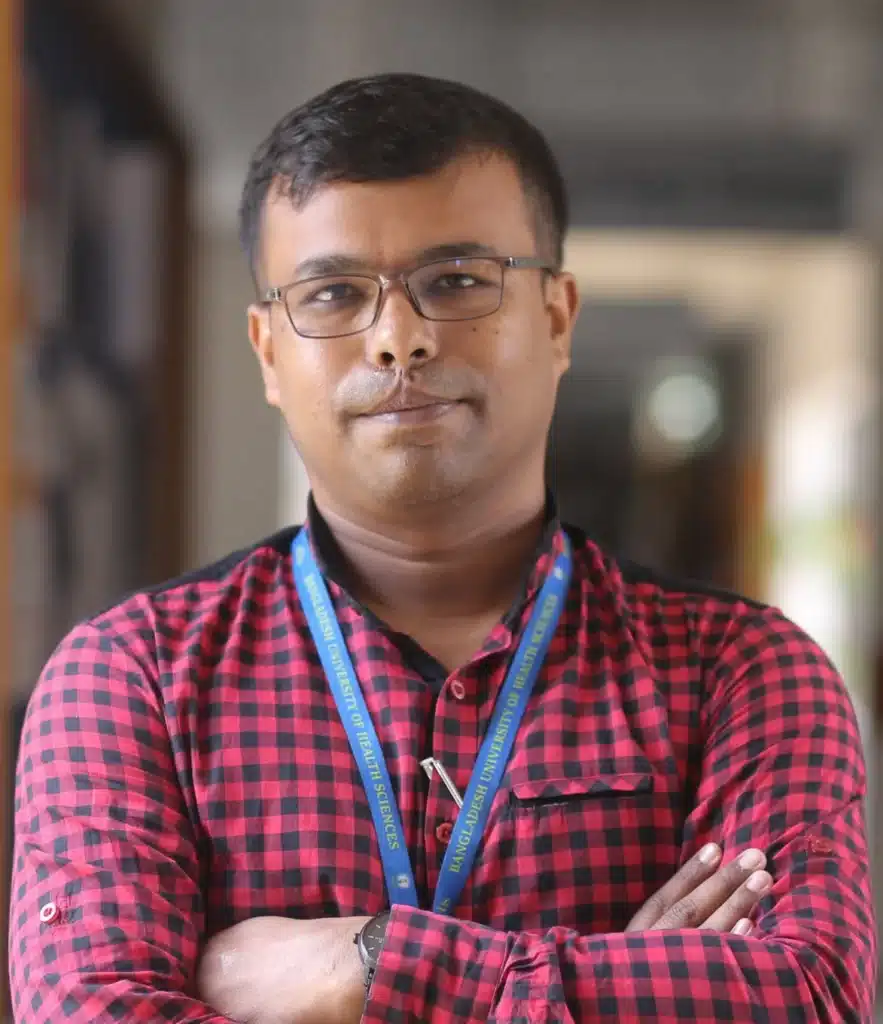



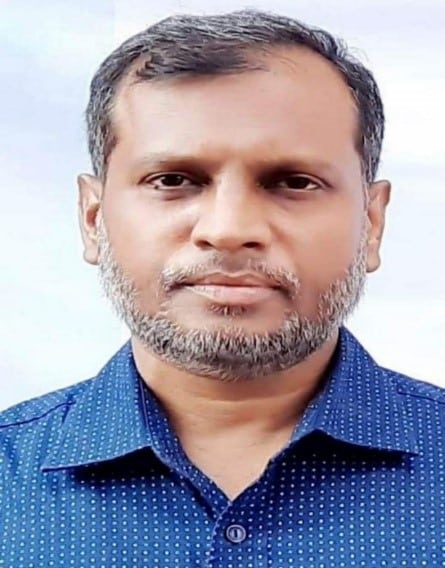


Bangladesh University of Health Sciences

Department of Noncommunicable Diseases

To develop skilled manpower for NCD prevention and control in the country.

  • To develop competent graduates with knowledge on different public health perspectives including noncommunicable diseases.
  • To reinforce the learning process by theory, practical and hands-on implementation.
  • To create NCD specialist with knowledge on chronic diseases, its risk factors, risk assessment, prevention strategies and research project management.
  • To promote collaboration among relevant Institutes/Universities in home and abroad for NCD research and academic exchange.
  • To generate evidence-based suggestions which can help the planners and policy makers to develop better health care programs in the country for NCD prevention and control.
  • Ensure access to education on public health standpoint
  • Create leadership in NCD sector
  • Generate skilled health care professionals in NCD prevention & control
  • Engagement in community development and create awareness on NCDs & its risk factors
  • Develop the student’s knowledge in research perspective along with national international collaboration

NCD Department has started its journey independently since 2015. Before that, the MPH Program in NCD was conducted by the Department of Community Medicine. Only a 2-year Master Program is running under this department. This department is involved with four types of activities, namely Academic/ teaching, Research, Training and Short Courses. Various research and project activities have been conducted by the department with the support of different funding organizations including the Directorate General of Health Services, Bangladesh Medical Research Council (BMRC), Ministry of Science and Technology of the Government of Bangladesh, and Bangladesh Center for Communication Program (BCCP). This Department has collaboration with the University of Glasgow, UK for conducting research on cardiac rehabilitation including RCT and with the University of Munich for operating an accredited short course on NCD Burden.

This is the first MPH Program in South-East Asian Region solely on NCD. Globally NCDs are now the number one public health challenge contributing 74% death across the globe. Each year, 17 million people die from NCD before age 70 and 86% of these premature deaths occur in low- and middle-income countries. In Bangladesh, NCDs are increasing rapidly and account for approximately 68% of mortality and 64% of disease burden. So, the country is in dire need of the health professionals who are expert in NCD management. After completion of this master degree the students will have a wide range of opportunities to build up their career in NCD related field due to increased demand in the job market both nationally and internationally. The students will be able to be involved with different types of activities during studying this program like research, training, short courses and various project activities of the department.

Master of Public Health in Noncommunicable Disease (MPH in NCD)

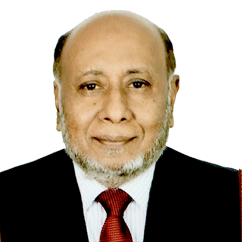
Prof MSA Mansur Ahmed
Professor & Advisor, Dept. of NCD

Profile >

Dr. Mithila Faruque
Associate Professor and Head

Profile >

Palash Chandra Banik
Associate Professor (cc)

Dr. Sheikh Mohammed Shariful Islam
MBBS MPH PhD FESC
Honorary Professor, Dept. of NCD
shariful.islam@deakin.edu.au

Dr. Lingkan Barua
Senior Lecturer (Part-time)

Dr. Muhammad Aziz Rahman
MBBS MPH PhD
Adjunct Professor, Dept. of NCD
ma.rahman@federation.edu.au

Dr. Mohammad Wahiduzzaman
Assistant Professor (Hon.), Dept. of NCD
drwzaman@gmail.com

Profile >

At a glance

Mission

To develop skilled manpower for NCD prevention and control in the country.

Vission

  • To develop competent graduates with knowledge on different public health perspectives including noncommunicable diseases.
  • To reinforce the learning process by theory, practical and hands-on implementation.
  • To create NCD specialist with knowledge on chronic diseases, its risk factors, risk assessment, prevention strategies and research project management.
  • To promote collaboration among relevant Institutes/Universities in home and abroad for NCD research and academic exchange.
  • To generate evidence-based suggestions which can help the planners and policy makers to develop better health care programs in the country for NCD prevention and control.

Objectives

  • Ensure access to education on public health standpoint
  • Create leadership in NCD sector
  • Generate skilled health care professionals in NCD prevention & control
  • Engagement in community development and create awareness on NCDs & its risk factors
  • Develop the student’s knowledge in research perspective along with national international collaboration

History

NCD Department has started its journey independently since 2015. Before that, the MPH Program in NCD was conducted by the Department of Community Medicine. Only a 2-year Master Program is running under this department. This department is involved with four types of activities, namely Academic/ teaching, Research, Training and Short Courses. Various research and project activities have been conducted by the department with the support of different funding organizations including the Directorate General of Health Services, Bangladesh Medical Research Council (BMRC), Ministry of Science and Technology of the Government of Bangladesh, and Bangladesh Center for Communication Program (BCCP). This Department has collaboration with the University of Glasgow, UK for conducting research on cardiac rehabilitation including RCT and with the University of Munich for operating an accredited short course on NCD Burden.

Why Study

This is the first MPH Program in South-East Asian Region solely on NCD. Globally NCDs are now the number one public health challenge contributing 74% death across the globe. Each year, 17 million people die from NCD before age 70 and 86% of these premature deaths occur in low- and middle-income countries. In Bangladesh, NCDs are increasing rapidly and account for approximately 68% of mortality and 64% of disease burden. So, the country is in dire need of the health professionals who are expert in NCD management. After completion of this master degree the students will have a wide range of opportunities to build up their career in NCD related field due to increased demand in the job market both nationally and internationally. The students will be able to be involved with different types of activities during studying this program like research, training, short courses and various project activities of the department.

Programs

Master of Public Health in Noncommunicable Disease (MPH in NCD)

Faculty Members

Prof MSA Mansur Ahmed

Department of Noncommunicable Disease
Faculty of Public Health
Professor and Advisor


Google Scholar
Citations: 2854  |  h-index: 22  |  i10-index: 56

Dr. Mithila Faruque

Department of Noncommunicable Disease
Faculty of Public Health
Associate Professor and Head


mithilafaruque@buhs.ac.bd

Google Scholar
Citations: -  |  h-index: -  |  i10-index: -

Palash Chandra Banik

Department of Noncommunicable Disease
Faculty of Public Health
Associate Professor(cc)


palashcbanik@buhs.ac.bd

Google Scholar
Citations: 44288  |  h-index: 40  |  i10-index: 59

Dr. Sheikh Mohammed Shariful Islam, MBBS MPH PhD FESC

Department of Noncommunicable Disease
Faculty of Public Health
Honorary Professor


Google Scholar
Citations: 164968  |  h-index: 108  |  i10-index: 371

Dr. Muhammad Aziz Rahman, MBBS, MPH, PhD

Department of Noncommunicable Disease
Faculty of Public Health
Adjunct Professor


ma.rahman@federation.edu.au

Google Scholar
Citations: 121560  |  h-index: 74  |  i10-index: 149

Dr. Mohammad Wahiduzzaman

Department of Noncommunicable Disease
Faculty of Public Health
Assistant Professor (Honorary)


drwzaman@gmail.com

Google Scholar
Citations: 439  |  h-index: 5  |  i10-index: 5

Dr. Lingkan Barua

Department of Noncommunicable Disease
Faculty of Public Health
Sr. Lecturer (Part-time)


lingkanbarua@buhs.ac.bd
Google Scholar
Citations: 34434  |  h-index: 17  |  i10-index: 20

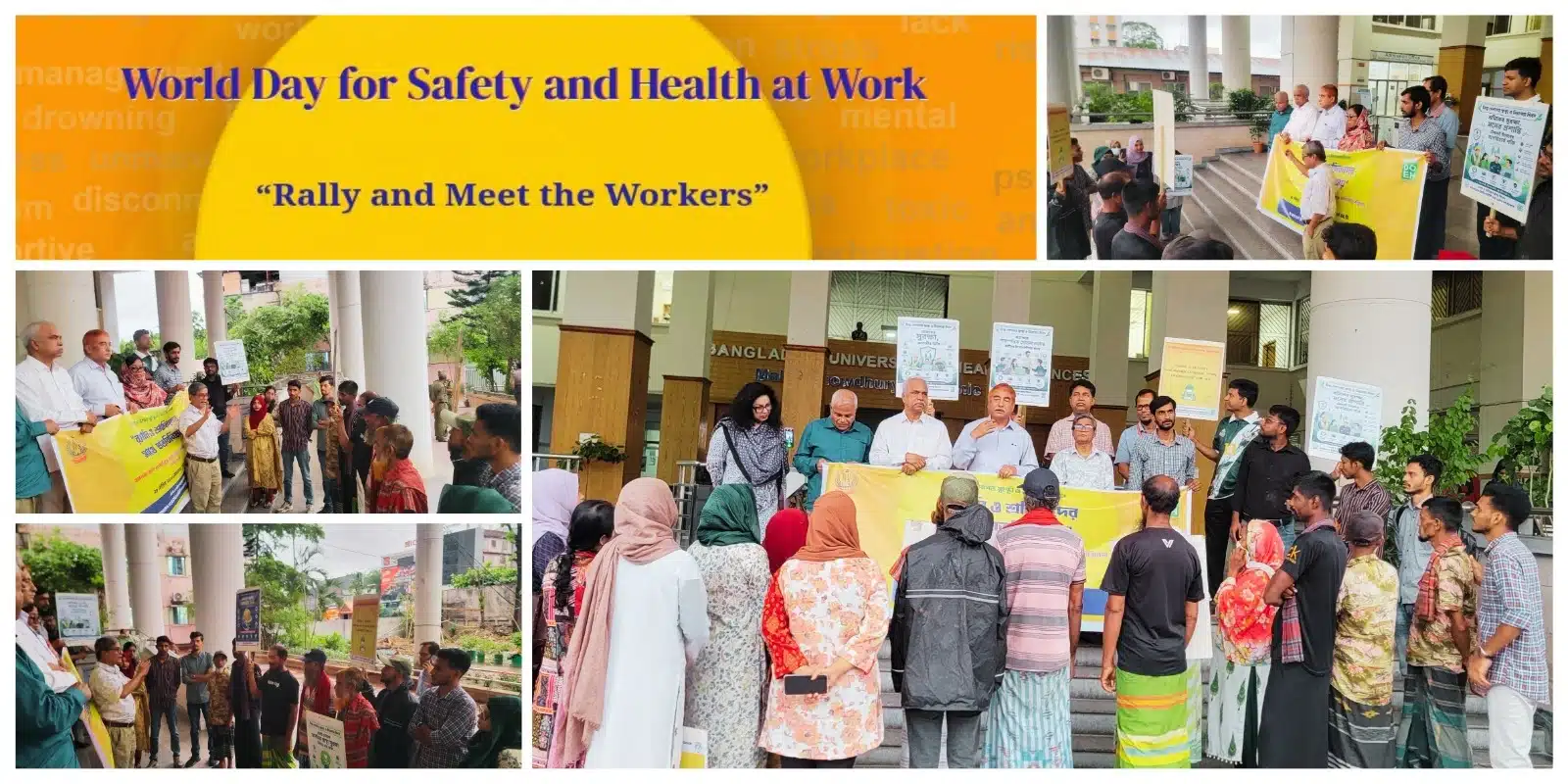
News & Events

Message of The Vice-Chancellor

Prof. J.M.A Hannan

Contrary to popular notion in our society health is not an issue only for the physicians but its development needs a concerted effort of professionals from basic, clinical and social sciences. In line with this concept, generation of human resources in health should not be treated merely from teaching and training points of views; research should also be equally emphasized in this venture as evidences based on geographical, environmental, ethnic and sociocultural background are a prerequisite for rational and cost-effective health care delivery in a population. Based on an internationally recognized research tradition at BIRDEM and BIHS which, in turn, are rooted in the long-term dream of Late National Professor Dr M Ibrahim, the present University aims to blend the three vital elements (teaching, training and research) of education to fulfill the ultimate responsibilities (knowledge dissemination and knowledge generation) of a higher centre of learning. With this aim Bangladesh University of Health Sciences (BUHS) has started its journey with full-time non-practicing (or institutionally practicing) faculty members and a number of highly reputed guest faculties and collaborating partners from all over the world. In public health, BUHS has taken a discipline-wise subspecialty approach which fits more with the present volume of knowledge and technological advancement in the area.We believe that studying in BUHS will be a pleasant and productive experience. Welcome to the BUHS Family!

Prof. J.M.A Hannan
Vice-Chancellor
Bangladesh University of Health Sciences (BUHS)

Message of The Vice-Chancellor

Prof. J.M.A Hannan

Contrary to popular notion in our society health is not an issue only for the physicians but its development needs a concerted effort of professionals from basic, clinical and social sciences. In line with this concept, generation of human resources in health should not be treated merely from teaching and training points of views; research should also be equally emphasized in this venture as evidences based on geographical, environmental, ethnic and sociocultural background are a prerequisite for rational and cost-effective health care delivery in a population. Based on an internationally recognized research tradition at BIRDEM and BIHS which, in turn, are rooted in the long-term dream of Late National Professor Dr M Ibrahim, the present University aims to blend the three vital elements (teaching, training and research) of education to fulfill the ultimate responsibilities (knowledge dissemination and knowledge generation) of a higher centre of learning. With this aim Bangladesh University of Health Sciences (BUHS) has started its journey with full-time non-practicing (or institutionally practicing) faculty members and a number of highly reputed guest faculties and collaborating partners from all over the world. In public health, BUHS has taken a discipline-wise subspecialty approach which fits more with the present volume of knowledge and technological advancement in the area.We believe that studying in BUHS will be a pleasant and productive experience. Welcome to the BUHS Family!

Prof. J.M.A Hannan
Vice-Chancellor
Bangladesh University of Health Sciences (BUHS)