To improve the health of the communities we serve, including rural, underserved, and global populations through education, research, outreach services, and creative partnerships.It will achieve this mission through:
- Improving the quality of Graduates of Public Health in Epidemiology in a sustainable manner in harmony with international standards.
- Pursuing research on an international standard in a sustainable manner to strengthen public health knowledge and interventions.
- Collaborating with colleagues, communities, organizations, academic institutions, and professionals through applications of epidemiological science and methods to elevate the health status of community.
- Strengthening the capacity of health professionals in the field of public health.
- Sustain the accreditation status granted by accreditation bodies and targeting to reach in international rankings.
The vision of the Epidemiology Department is to
- Support in improving community health through producing skills of public health graduates and
- Recognize as a global leader in Epidemiology.
- To make the students knowledgeable onconcept of modern epidemiology, evolution, scope and uses of epidemiological principles and methods.
- To produce Graduates in public health in epidemiology skilled enough to apply the principles of epidemiology in control and prevention of diseases in the communities they serve.
- To make the students capable to apply epidemiological tools of measurements in other relevant public health fields.
- To ventilate the updated knowledge on epidemiological studies and making them confident enough to conduct research independently.
Since 2008, the Department of Epidemiology has started its journey at Bangladesh Institute of Health Sciences to reduce the disease burden in human populations through research, education, and service. Later on this department shifted under the Bangladesh University of Health Sciences (BUHS) since its inception in 2013. Presently the department offers one Bachelor program (BPH in Epidemiology & Biostatistics) jointly with the Department of Biostatistics and one Master program (MPH in Epidemiology) under the Faculty of Public Health. Bachelor Program consists of 160 credits with 4 years of duration (eight semesters) and Master Program consists of 70 credits of one and half years of duration (Three semesters).
After completion of study the students level of knowledge and skills will be scaling up and open opportunities to work independently in the following areas such as :
- Subject specialists, with in‐depth knowledge, understanding, and skills in research and other associated disciplines.
- Professions requiring Innovative and creative approach for positive change e.g., disease control and prevention, and behavioural change communication.
- The areas requiring people socially intelligent and proactively inclusive, able to effectively navigate complex relationships with others from any background or culture.
- Digitally literate and responsible for their own behavior, their future and their wellbeing.
- Work as research fellow in institutes/universities/ industries and hold managerial position in public health sectors in Research and Primary Health Care Services.
Compete for General BCS and government services.
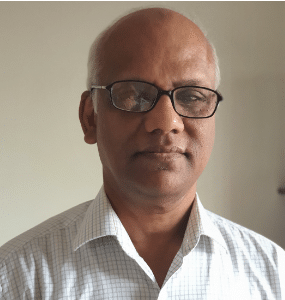
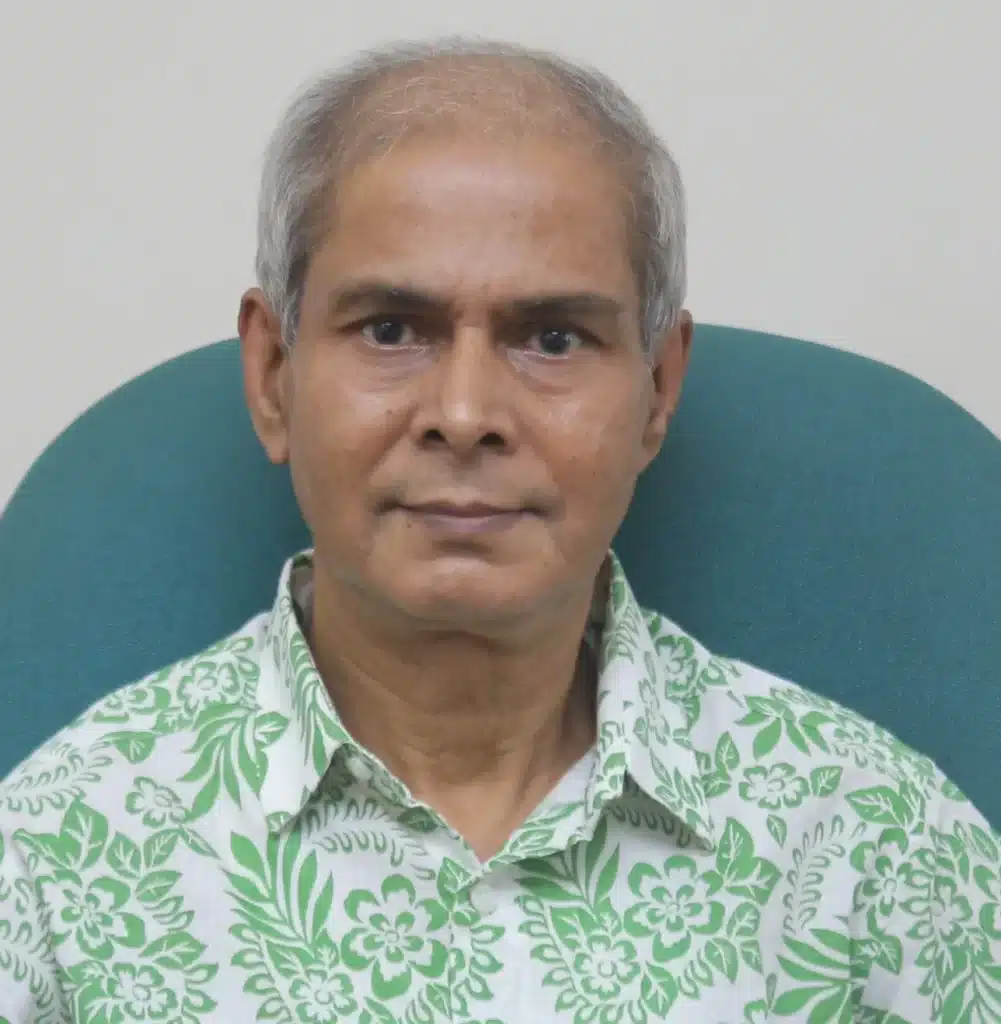


At a glance
Mission
To improve the health of the communities we serve, including rural, underserved, and global populations through education, research, outreach services, and creative partnerships.It will achieve this mission through:
- Improving the quality of Graduates of Public Health in Epidemiology in a sustainable manner in harmony with international standards.
- Pursuing research on an international standard in a sustainable manner to strengthen public health knowledge and interventions.
- Collaborating with colleagues, communities, organizations, academic institutions, and professionals through applications of epidemiological science and methods to elevate the health status of community.
- Strengthening the capacity of health professionals in the field of public health.
- Sustain the accreditation status granted by accreditation bodies and targeting to reach in international rankings.
Vission
The vision of the Epidemiology Department is to
- Support in improving community health through producing skills of public health graduates and
- Recognize as a global leader in Epidemiology.
Objectives
- To make the students knowledgeable onconcept of modern epidemiology, evolution, scope and uses of epidemiological principles and methods.
- To produce Graduates in public health in epidemiology skilled enough to apply the principles of epidemiology in control and prevention of diseases in the communities they serve.
- To make the students capable to apply epidemiological tools of measurements in other relevant public health fields.
- To ventilate the updated knowledge on epidemiological studies and making them confident enough to conduct research independently.
History
Since 2008, the Department of Epidemiology has started its journey at Bangladesh Institute of Health Sciences to reduce the disease burden in human populations through research, education, and service. Later on this department shifted under the Bangladesh University of Health Sciences (BUHS) since its inception in 2013. Presently the department offers one Bachelor program (BPH in Epidemiology & Biostatistics) jointly with the Department of Biostatistics and one Master program (MPH in Epidemiology) under the Faculty of Public Health. Bachelor Program consists of 160 credits with 4 years of duration (eight semesters) and Master Program consists of 70 credits of one and half years of duration (Three semesters).
Why Study
After completion of study the students level of knowledge and skills will be scaling up and open opportunities to work independently in the following areas such as :
- Subject specialists, with in‐depth knowledge, understanding, and skills in research and other associated disciplines.
- Professions requiring Innovative and creative approach for positive change e.g., disease control and prevention, and behavioural change communication.
- The areas requiring people socially intelligent and proactively inclusive, able to effectively navigate complex relationships with others from any background or culture.
- Digitally literate and responsible for their own behavior, their future and their wellbeing.
- Work as research fellow in institutes/universities/ industries and hold managerial position in public health sectors in Research and Primary Health Care Services.
Compete for General BCS and government services.
Programs
Faculty Members
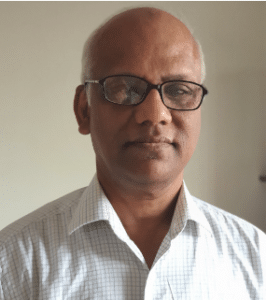
Dr. AKM Fazlur Rahman
Department of Epidemiology
Faculty of Public Health
Professor (Adjunct Faculty) & Advisor
fazlurrahman@buhs.ac.bd

Dr. Pradip Kumar Sen Gupta
Department of Epidemiology
Faculty of Public Health
Dean, Professor & Head & Director, Training Wing
pradipsengupta@buhs.ac.bd
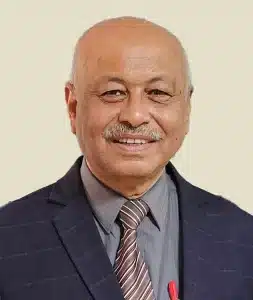



Md Mojibur Rahman
Department of Epidemiology
Faculty of Public Health
Professor
mojibepi@buhs.ac.bd

Mst. Nadira Parvin
Department of Epidemiology
Faculty of Public Health
Assistant Professor
nadiraepi@buhs.ac.bd
News & Events

Dua and Iftar Mahfil
- 26 February 2026
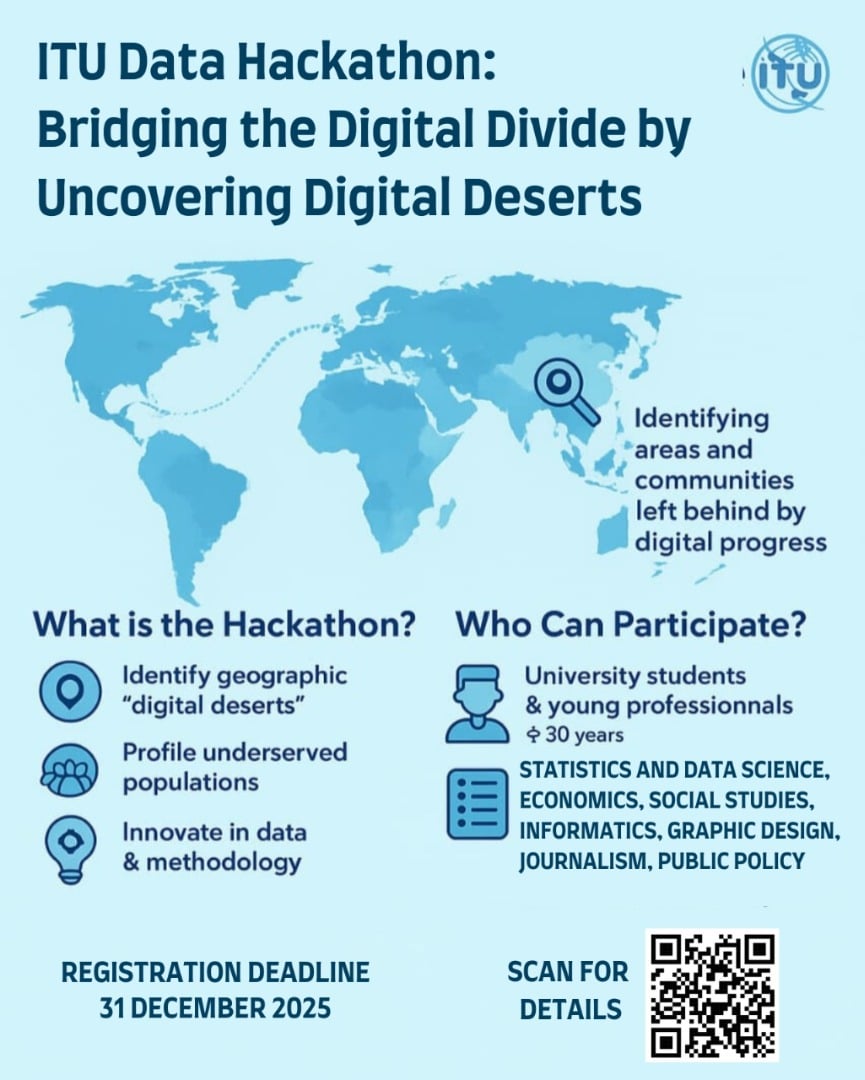
Data Hackathon-এ অংশগ্রহণ প্রসঙ্গে
- 17 December 2025
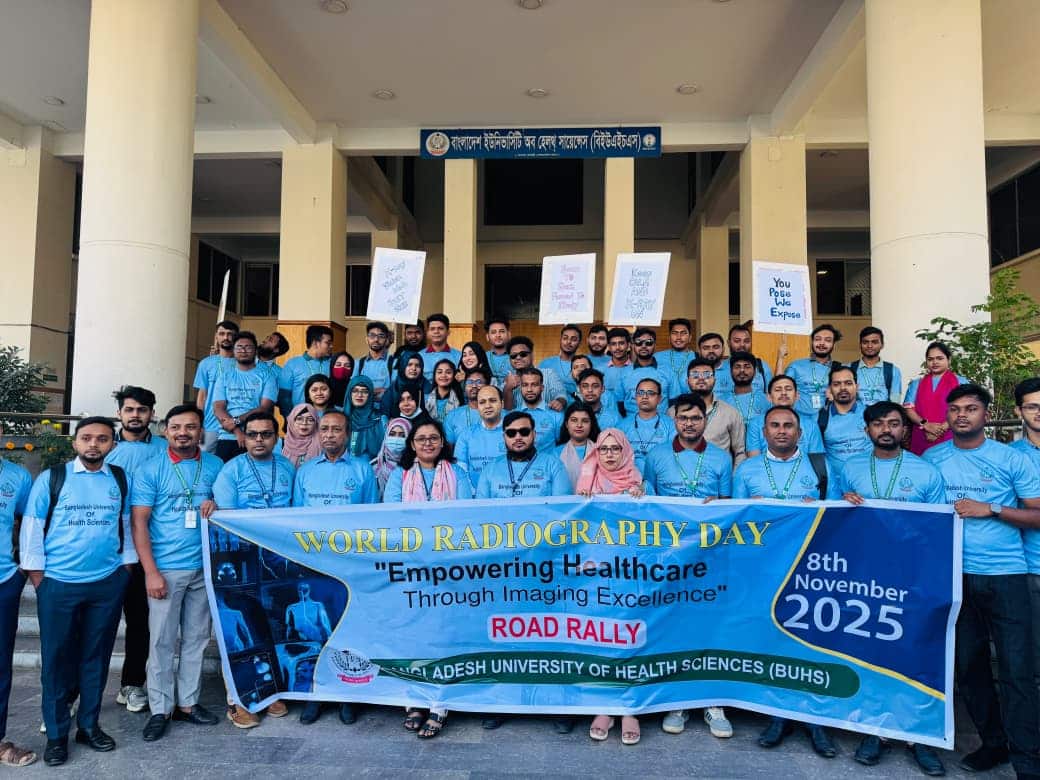
BUHS celebrated World Radiography Day
- 07 December 2025
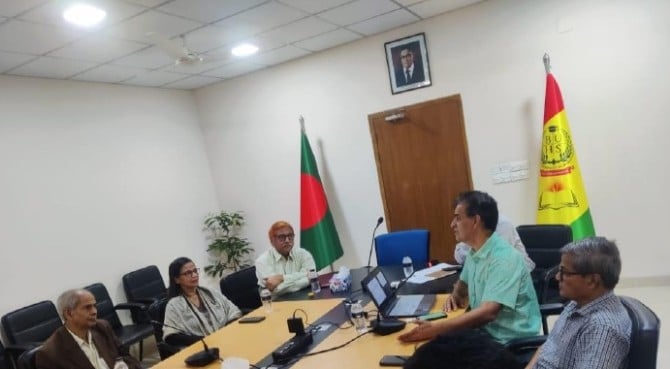
Seminar held in BUHS
- 17 November 2025
বিইউএইসএস-এ “অ্যাডভান্সিং ডিজিটাল মেন্টাল
- 17 November 2025
