The mission of the Department is to
- Provide quality biomedical engineering education through integration of engineering and biomedical sciences.
- Improve healthcare through education and research with the combination of engineering and medical perspective.
- Foster knowledge and achieve leadership in biomedical engineering research and development of new technologies and innovative applications in the country.
- Improve the health and wellbeing of humans through training of the next generation of biomedical engineers for better health outcomes.
The vision of the Department of Biomedical Engineering is to develop quality and skillful human resources in Biomedical Engineering field with the goal of achieving a key role in the country’s overall Biomedical research and innovation sector.
At the end of the Program the students will be able to:
- Attain adequate knowledge and skills on different areas of Biomedical Engineering Work in related laboratories, industries and field level settings.
- Promote continuous improvement in the field of Biomedical Engineering
- Communicate effectively the relevant Biomedical Engineering problem to be solved across the engineering, life science, and medical disciplines
- Apply critical reasoning as well as quantitative and design skills to identify and solve problems in Biomedical Engineering
- Lead and manage Biomedical Engineering projects in industry, government, or academia that involve multidisciplinary team members
- Demonstrate verbal and written communication advocacy skills and understand their roles and responsibilities.
- Impart teaching and training for developing learning skills and research necessary in the areas concerned.
National Professor A K Azad Khan emphasized on the establishment of Biomedical Engineering Department since the inception of BUHS, with the aim to cope up with the lacking of skilled man power in healthcare sector. With his patronage and supervision, B.Sc (Honors) Program in Biomedical Engineering has been initiated in 2021. This Program is designed with standard course-curriculum which covers the multiple areas of science, technology, medicine, biomechanics, physiology, biomedical instrumentation, imaging, signals and systems, cell engineering and bioinformatics. Employment of biomedical Engineers is projected to grow 7 percent from 2016 to 2026, about as fast as the average for all occupations because of rapid expansion of digital health care system across the globe. Bangladesh is most likely to accommodate thousands of biomedical engineers within this decade for the ultimate expansion of domestic market to address the challenge. Biomedical Engineers will have vast and various opportunities in the manufacturing cutting edge medical devices, management, laboratory work, education and research on the development and design of biomedical equipment and devices. They will have wide range of scopes for entrepreneurship and consultancies in health-care services, Mobile health technologies and telemedicine and other so many impactful areas. Prof S.M Muraduzzaman, Dean, Faculty of Health Engineering & Technology said, We have set up the Department of Biomedical Engineering giving the highest priority on quality rather than quantity in respect of teaching, laboratory management, scientific research, and all the other academic standards as demand of time. Our commitment is to generate Biomedical Engineers who will contribute to the health sectors at home and abroad”.
- Biomedical Engineering combines engineering, medicine and biology to improve the quality of our lives by resolving challenges in the healthcare industry.
- Biomedical engineers are an interesting breed. Often they are needed to bridge traditional engineering skills with medical applications, working hand-in-hand with health-care professionals including physicians, nurses, therapists, and technicians to solve a wide variety of problems.
- The curriculum challenges students to analyze problems from both engineering and a biological perspective. Bioengineers through the program of B.Sc. in Biomedical Engineering, whose individual efforts will make substantial contributions to society.
- Career opportunities for Biomedical Engineers are excellent. Biomedical Engineers work with health care professionals (e.g., physicians, nurses, therapists, and technicians) and may be called upon in a wide range of capacities such as designing instruments, devices, and software. Biomedical engineers incorporate knowledge from many technical sources to develop new medical procedures and conduct research in an effort to solve clinical problems. Biomedical Engineers can be doing something different every day and can angle their career to be working individually or part of a team.

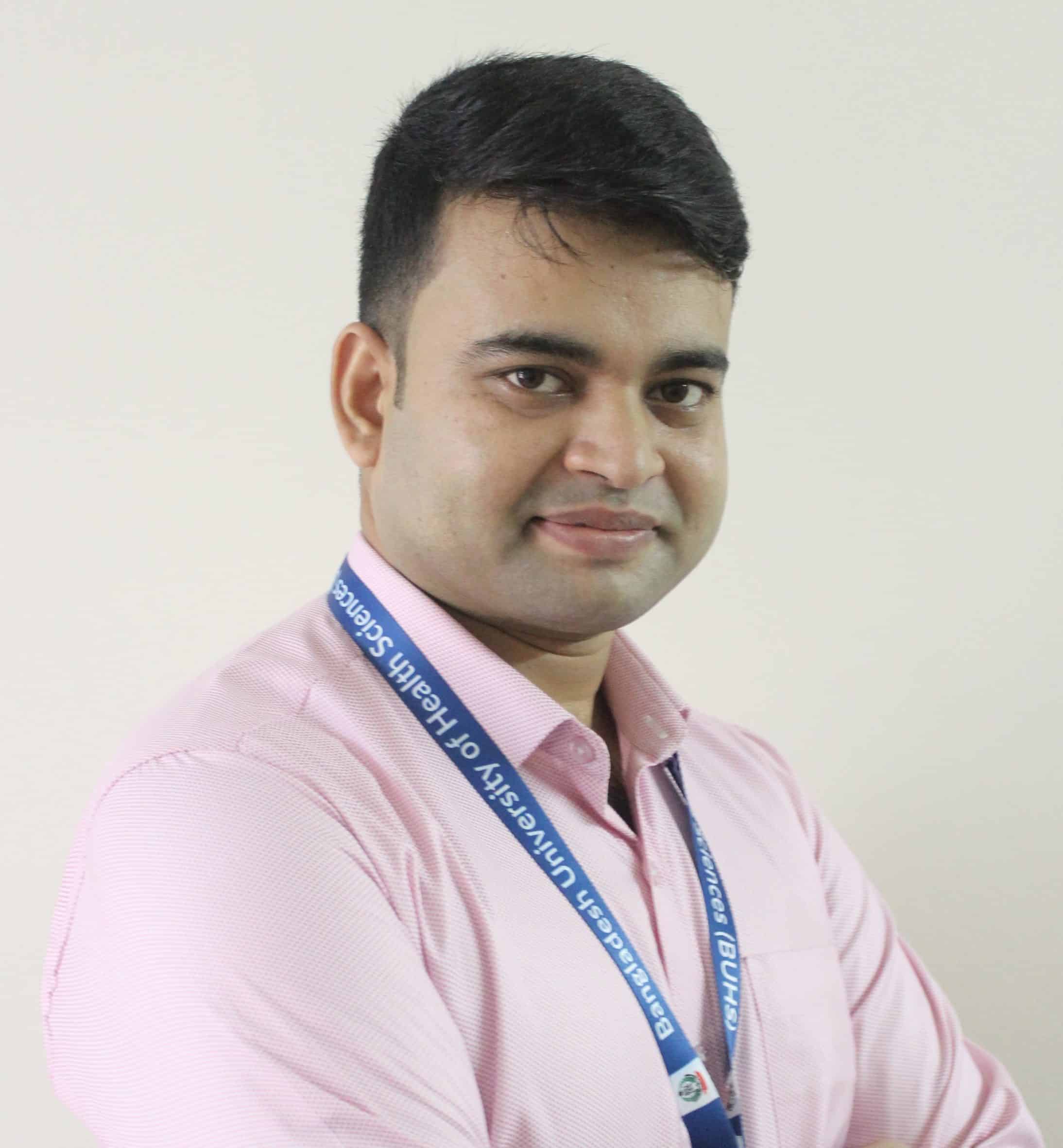
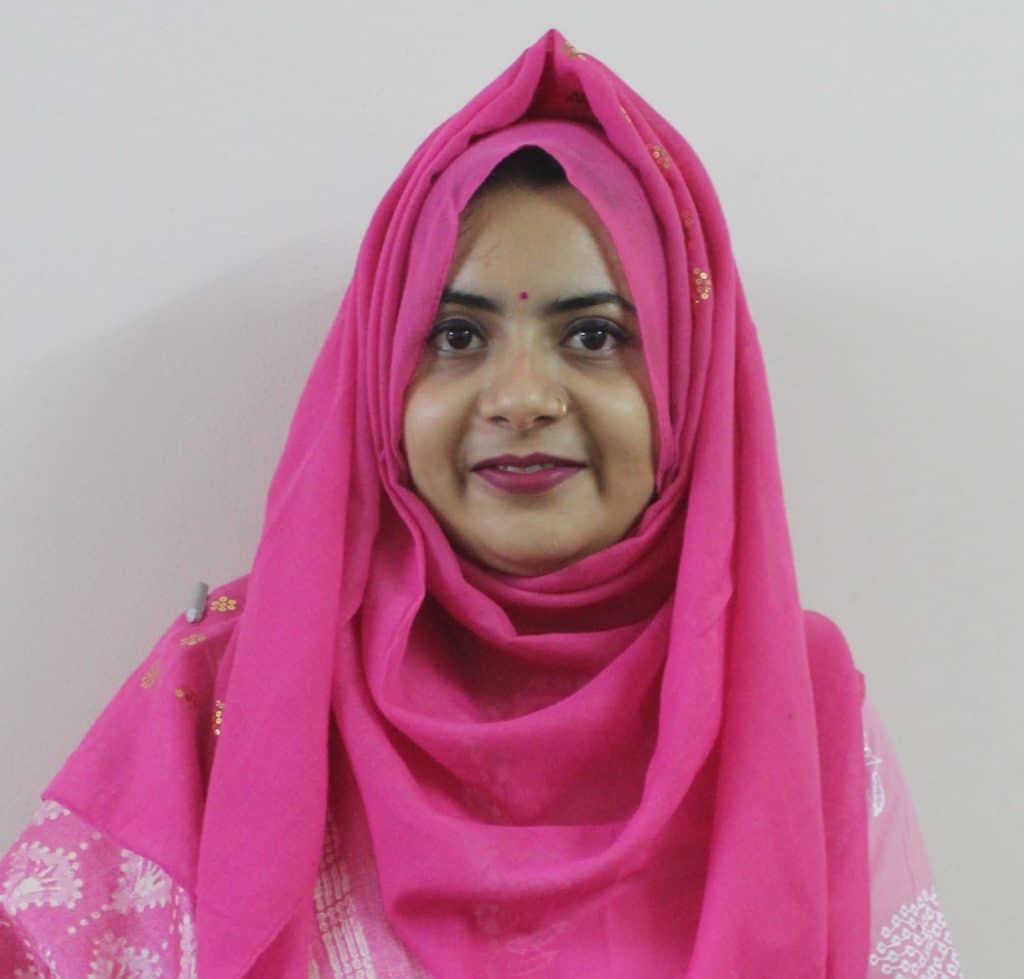
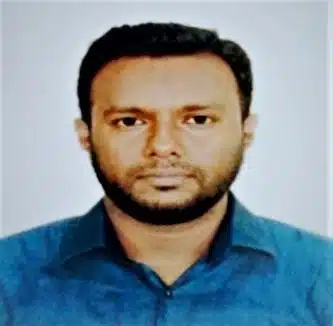
Mohammad Arifur Rahman
Instructor
At a glance
Mission
The mission of the Department is to
- Provide quality biomedical engineering education through integration of engineering and biomedical sciences.
- Improve healthcare through education and research with the combination of engineering and medical perspective.
- Foster knowledge and achieve leadership in biomedical engineering research and development of new technologies and innovative applications in the country.
- Improve the health and wellbeing of humans through training of the next generation of biomedical engineers for better health outcomes.
Vission
The vision of the Department of Biomedical Engineering is to develop quality and skillful human resources in Biomedical Engineering field with the goal of achieving a key role in the country’s overall Biomedical research and innovation sector.
Objectives
At the end of the Program the students will be able to:
- Attain adequate knowledge and skills on different areas of Biomedical Engineering Work in related laboratories, industries and field level settings.
- Promote continuous improvement in the field of Biomedical Engineering
- Communicate effectively the relevant Biomedical Engineering problem to be solved across the engineering, life science, and medical disciplines
- Apply critical reasoning as well as quantitative and design skills to identify and solve problems in Biomedical Engineering
- Lead and manage Biomedical Engineering projects in industry, government, or academia that involve multidisciplinary team members
- Demonstrate verbal and written communication advocacy skills and understand their roles and responsibilities.
- Impart teaching and training for developing learning skills and research necessary in the areas concerned.
History
National Professor A K Azad Khan emphasized on the establishment of Biomedical Engineering Department since the inception of BUHS, with the aim to cope up with the lacking of skilled man power in healthcare sector. With his patronage and supervision, B.Sc (Honors) Program in Biomedical Engineering has been initiated in 2021. This Program is designed with standard course-curriculum which covers the multiple areas of science, technology, medicine, biomechanics, physiology, biomedical instrumentation, imaging, signals and systems, cell engineering and bioinformatics. Employment of biomedical Engineers is projected to grow 7 percent from 2016 to 2026, about as fast as the average for all occupations because of rapid expansion of digital health care system across the globe. Bangladesh is most likely to accommodate thousands of biomedical engineers within this decade for the ultimate expansion of domestic market to address the challenge. Biomedical Engineers will have vast and various opportunities in the manufacturing cutting edge medical devices, management, laboratory work, education and research on the development and design of biomedical equipment and devices. They will have wide range of scopes for entrepreneurship and consultancies in health-care services, Mobile health technologies and telemedicine and other so many impactful areas. Prof S.M Muraduzzaman, Dean, Faculty of Health Engineering & Technology said, We have set up the Department of Biomedical Engineering giving the highest priority on quality rather than quantity in respect of teaching, laboratory management, scientific research, and all the other academic standards as demand of time. Our commitment is to generate Biomedical Engineers who will contribute to the health sectors at home and abroad”.
Why Study
- Biomedical Engineering combines engineering, medicine and biology to improve the quality of our lives by resolving challenges in the healthcare industry.
- Biomedical engineers are an interesting breed. Often they are needed to bridge traditional engineering skills with medical applications, working hand-in-hand with health-care professionals including physicians, nurses, therapists, and technicians to solve a wide variety of problems.
- The curriculum challenges students to analyze problems from both engineering and a biological perspective. Bioengineers through the program of B.Sc. in Biomedical Engineering, whose individual efforts will make substantial contributions to society.
- Career opportunities for Biomedical Engineers are excellent. Biomedical Engineers work with health care professionals (e.g., physicians, nurses, therapists, and technicians) and may be called upon in a wide range of capacities such as designing instruments, devices, and software. Biomedical engineers incorporate knowledge from many technical sources to develop new medical procedures and conduct research in an effort to solve clinical problems. Biomedical Engineers can be doing something different every day and can angle their career to be working individually or part of a team.
Programs
Faculty Members

Prof. SM Muraduzzaman
Department of Biomedical Engineering
Dean, Professor & Head
projuktimurad@gmail.com
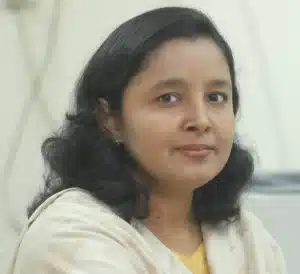
Most. Tanzila Parvin
Department of Biomedical Engineering
Associate Professor
tanzilla@buhs.ac.bd

Muhtasim Aziz Muneem
Department of Biomedical Engineering
Lecturer
chemis@buhs.ac.bd

Mansura Ahmed
Department of Biomedical Engineering
Lecturer
mansura@buhs.ac.bd
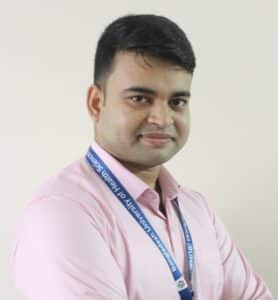
Md. Mahmud Hasan
Department of Biomedical Engineering
Lecturer
engr.mahmudhasan@buhs.ac.bd
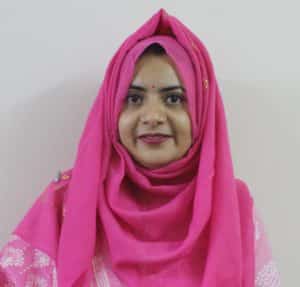
Tohfatul Jinan
Department of Biomedical Engineering
Lecturer
tohfa@buhs.ac.bd
Mohammad Arifur Rahman
Department of Biomedical Engineering
Instructor
arifurrahman@buhs.ac.bd
News & Events

Dua and Iftar Mahfil
- 26 February 2026
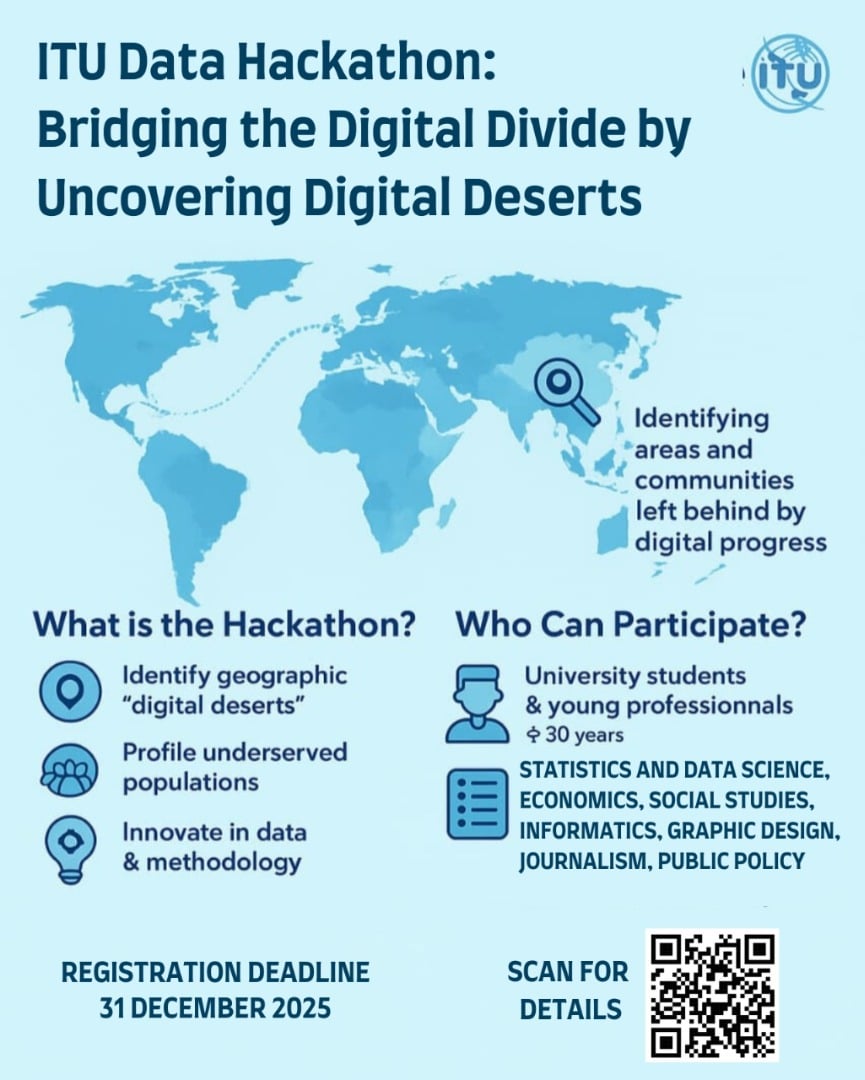
Data Hackathon-এ অংশগ্রহণ প্রসঙ্গে
- 17 December 2025
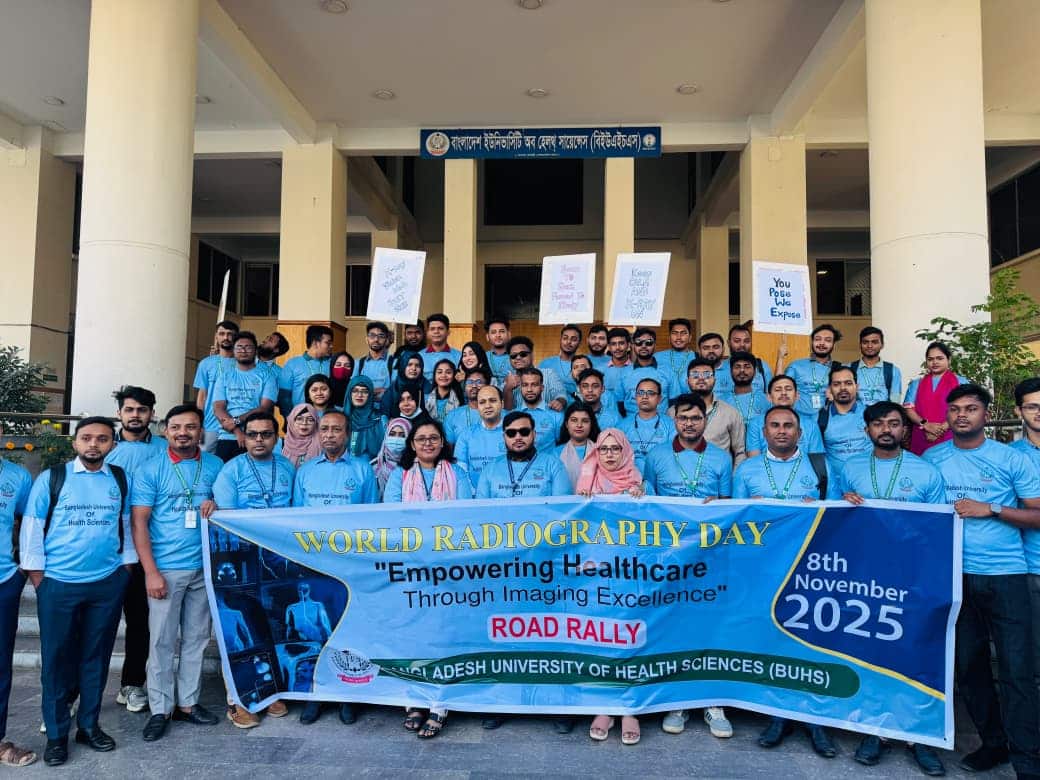
BUHS celebrated World Radiography Day
- 07 December 2025
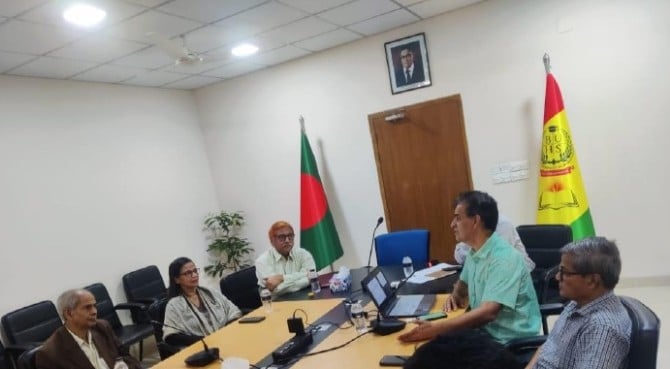
Seminar held in BUHS
- 17 November 2025
বিইউএইসএস-এ “অ্যাডভান্সিং ডিজিটাল মেন্টাল
- 17 November 2025
