The mission of the Department of Pathology is to engage in the discovery, application, and dissemination of knowledge in the study of disease in order to advance human health and to provide the highest quality of patient care.
The vision of the pathology department is to provide the knowledge, technical skills and experience necessary for residents to competently practice anatomic and clinical pathology, this includes developing knowledge of basic pathologic processes and skills needed to interpret laboratory data as well as make clinicopathologic correlations.
Pathology has a central role to assist students and physicians in (1) understanding the mechanisms of disease that lead to the signs and symptoms that must be recognized in patients, (2) forming a differential diagnosis, and (3) applying laboratory medicine that allows physicians to rule in or out individual diagnosis.
Bangladesh University of Health Sciences (BUHS) is a recently established University (starting journey in 2012) created around the nucleus formed by the Bangladesh Institute of Health Sciences (BIHS). Affiliated with the Dhaka University and owned by the Diabetic Association of Bangladesh (DAB) BIHS (established in 2007), within its short span of lifetime, already attracted national and international attention due to its high quality postgraduate education and research activities in public health disciplines. The University of Oslo supported these initiatives and declared BIHS as a Regional Centre where, apart from local ones, students from India, Nepal and Pakistan are studying in postgraduate programs. The Rockefeller Foundation had also been supporting BIHS to develop postgraduate human resources in Health Informatics. The academic and research activities of BIHS, in turn, can be traced to a longer tradition of national, regional and international level collaborative research at BIRDEM – a WHO Collaborating Centre established by Late National Professor M Ibrahim, the Founder of the Diabetic Association of Bangladesh, who died in 1989, but left behind a legacy and a dedicated group of younger followers who could uphold his academic and research related visions in addition to his commitment for health care delivery to the diabetic patients. The International Programs in the Chemical Sciences (IPICS) Uppsala University, Sweden, played a pivotal role in creating the research infrastructure and human resource capacity at BIRDEM. In line with BIRDEM and BIHS, the BUHS will utilize the great infrastructure and expertise of DAB which forms the next to public sector largest health care network in Bangladesh. At the same time, it envisages to enrich itself by creating meaningful partnership with advanced academic and research organizations all over the world. BUHS has many programme. Applied Laboratory medicine is one of them. Pathology is the integrated programme which provides all support for all laboratory students in the applied laboratory department.
Pathology is the integrated programme which provides all support for all laboratory students in the applied laboratory department. Pathology provides knowledge of basic pathologic processes and skills needed to interpret laboratory data as well as make clinicopathologic correlations.
N/A
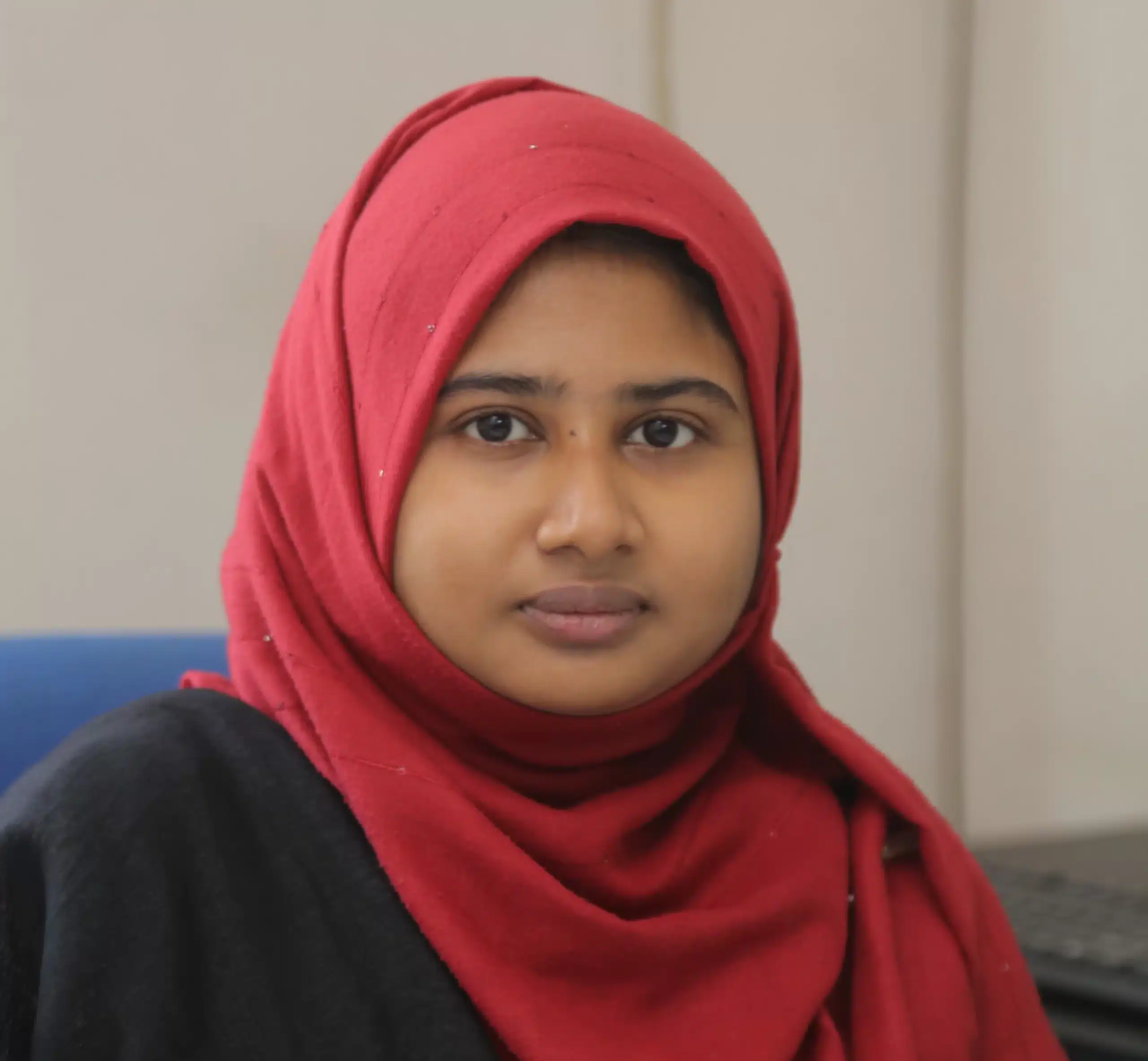
Dr. Khaleda Ferdous
Sr Lecturer
At a glance
Mission
The mission of the Department of Pathology is to engage in the discovery, application, and dissemination of knowledge in the study of disease in order to advance human health and to provide the highest quality of patient care.
Vission
The vision of the pathology department is to provide the knowledge, technical skills and experience necessary for residents to competently practice anatomic and clinical pathology, this includes developing knowledge of basic pathologic processes and skills needed to interpret laboratory data as well as make clinicopathologic correlations.
Objectives
Pathology has a central role to assist students and physicians in (1) understanding the mechanisms of disease that lead to the signs and symptoms that must be recognized in patients, (2) forming a differential diagnosis, and (3) applying laboratory medicine that allows physicians to rule in or out individual diagnosis.
History
Bangladesh University of Health Sciences (BUHS) is a recently established University (starting journey in 2012) created around the nucleus formed by the Bangladesh Institute of Health Sciences (BIHS). Affiliated with the Dhaka University and owned by the Diabetic Association of Bangladesh (DAB) BIHS (established in 2007), within its short span of lifetime, already attracted national and international attention due to its high quality postgraduate education and research activities in public health disciplines. The University of Oslo supported these initiatives and declared BIHS as a Regional Centre where, apart from local ones, students from India, Nepal and Pakistan are studying in postgraduate programs. The Rockefeller Foundation had also been supporting BIHS to develop postgraduate human resources in Health Informatics. The academic and research activities of BIHS, in turn, can be traced to a longer tradition of national, regional and international level collaborative research at BIRDEM – a WHO Collaborating Centre established by Late National Professor M Ibrahim, the Founder of the Diabetic Association of Bangladesh, who died in 1989, but left behind a legacy and a dedicated group of younger followers who could uphold his academic and research related visions in addition to his commitment for health care delivery to the diabetic patients. The International Programs in the Chemical Sciences (IPICS) Uppsala University, Sweden, played a pivotal role in creating the research infrastructure and human resource capacity at BIRDEM. In line with BIRDEM and BIHS, the BUHS will utilize the great infrastructure and expertise of DAB which forms the next to public sector largest health care network in Bangladesh. At the same time, it envisages to enrich itself by creating meaningful partnership with advanced academic and research organizations all over the world. BUHS has many programme. Applied Laboratory medicine is one of them. Pathology is the integrated programme which provides all support for all laboratory students in the applied laboratory department.
Why Study
Pathology is the integrated programme which provides all support for all laboratory students in the applied laboratory department. Pathology provides knowledge of basic pathologic processes and skills needed to interpret laboratory data as well as make clinicopathologic correlations.
Faculty Members
Dr. Khaleda Ferdous
Department of Pathology
Faculty of Basic Sciences
Sr. Lecturer
Kabita5@buhs.ac.bd
News & Events

Dua and Iftar Mahfil
- 26 February 2026
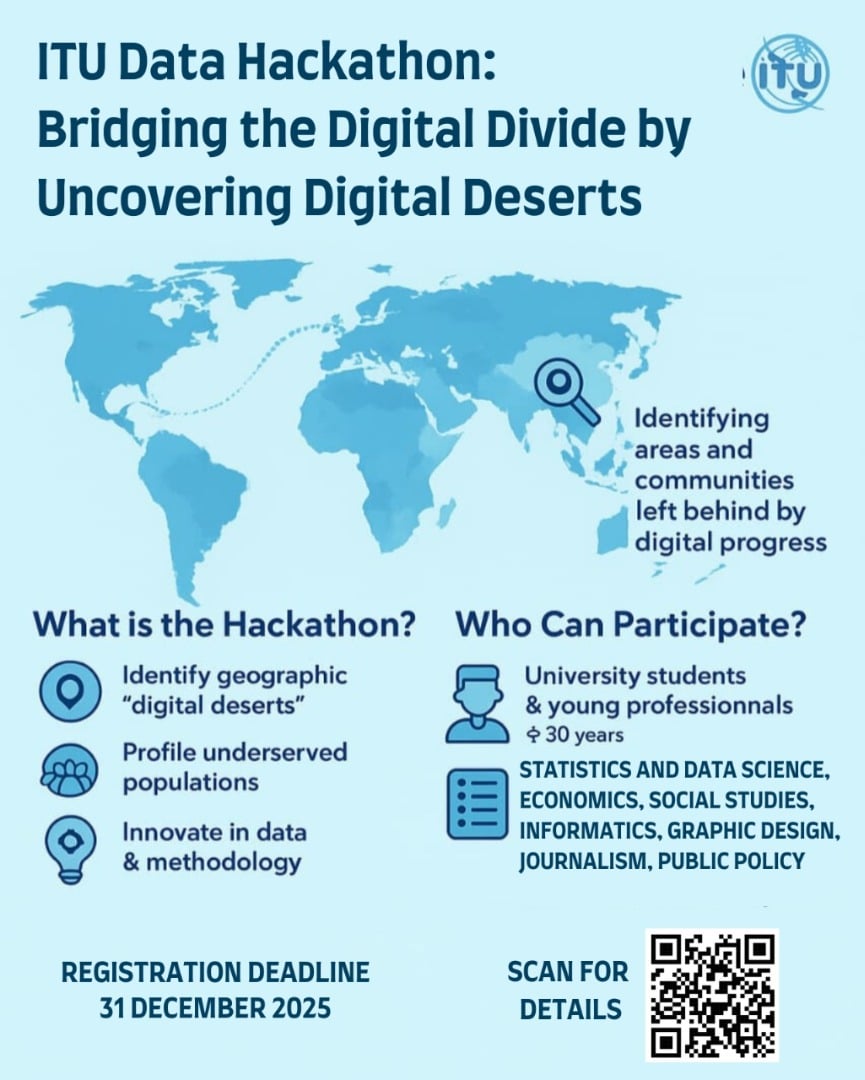
Data Hackathon-এ অংশগ্রহণ প্রসঙ্গে
- 17 December 2025
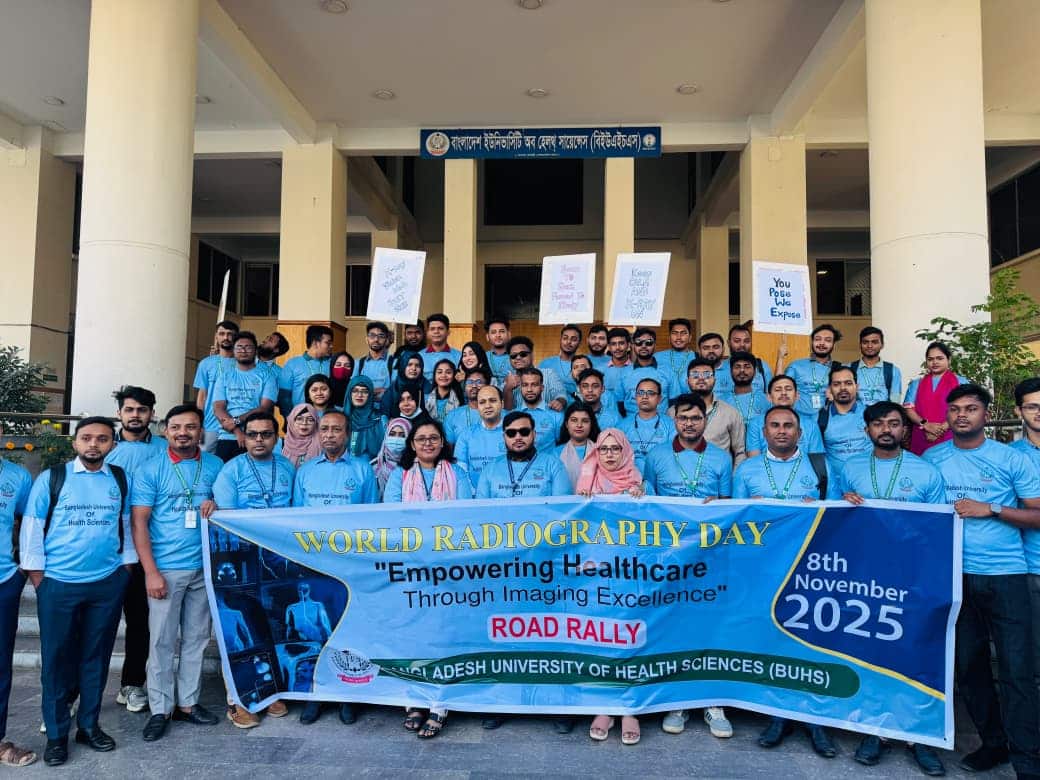
BUHS celebrated World Radiography Day
- 07 December 2025
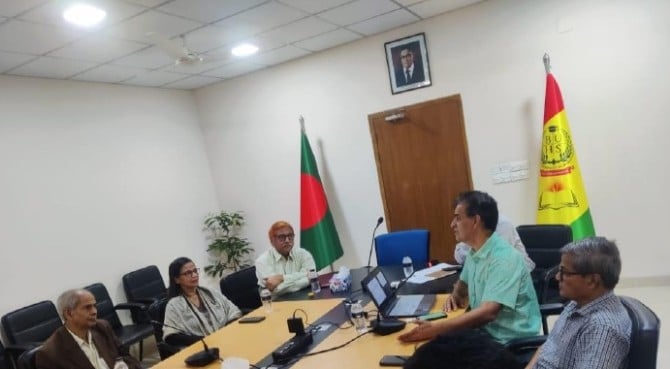
Seminar held in BUHS
- 17 November 2025
বিইউএইসএস-এ “অ্যাডভান্সিং ডিজিটাল মেন্টাল
- 17 November 2025
